
 EN
EN
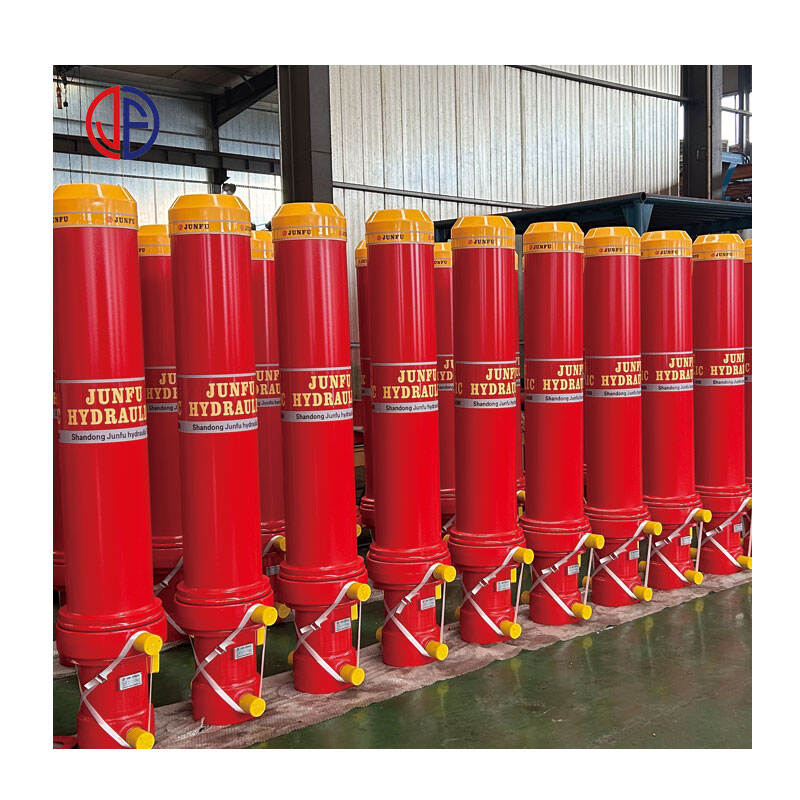
Hydraulic cylinders are essential components of machines and vehicles. They provide a boost, lifting heavy things and making things easier. Sometimes, they can have issues such as leaking indoors. This is bad because it means the cylinder isn't functioning correctly. If you're using a hydraulic cylinder, you should understand how to detect internal leakage. Knowing how to detect these leaks is critical for ensuring your machines and devices continue to function properly. We love quality at Junfu Hydraulic and we’d like to give you some tip-offs about how to inspect for internal leaks in these cylinders.
How to Recognize the Symptoms of Internal Leaks in Your Hydraulic Machinery
A guide to determining if a hydraulic cylinder is leaking internally To determine if an internal leak is causing the problem start by watching for signs that indicate It’s okay to begin by checking while it’s operational. When hydraulic rams are in operation, they should cycle easily. If the cylinder is creeping or binding, she says it could be a sign of a leak. Also, pay attention for odd noises. If you start to hear any strange sounds like hissing or popping, this can also indicate a leak. Don’t forget to take note of their water pressure measurements as well. If the pressure suddenly drops or cannot be maintained, that’s a red flag for possible internal leaks.
While you’re inspecting a hydraulic cylinder, don’t forget to check for fluid leakage anywhere from the outside (hose or tube fittings and by seals). This can be confusing, because it may appear that the leak is outside. But grease that is leaking out of the seals can also enter the cylinder and render it powerless. Another suggestion is a cylinder test. This test is simple: extend and retract the cylinder a few times. If it feels weak or less strong than usual, the problem could be an internal leak. Finally, if you are able to do so, inspect the hydraulic fluid for the presence of contamination. Occasionally, fluids can become contaminated if something leaks inside the cylinder and that could affect performance.
Signs of Hydraulic Cylinder Destruction to Look For
Being able to verify hydraulic cylinder integrity is a matter of testing various components. Start with the external surfaces. Check for rust, cracks or damage of any kind. Any scratches or dents, and the cylinder may not be safe to use again. Next, inspect the seals. The seals are designed to keep the hydraulic fluid inside the cylinder. If you see any wear, or if they appear cracked, it’s possible they could become leaky over time.
Also, examine the cylinder rod. The rod surface should be smooth, without any scratch marks or dents. If broken, the rod can be what allows fluid to leak out inappropriately. Also remember to inspect the connectors and fittings. These components must be snug and free from any damage. Loose fittings can cause leaks.
There is one other thing to be done. If you can, use a pressure gauge to measure the working pressure of the cylinder. This one gives you a very good idea of how well the cylinder is doing. If the pressure is lower than it’s meant to be, that means trouble. Be sure to check your hydraulic cylinder’s user manual, as it typically includes all of the pressure ratings you will need along with any other necessary specifics. Testing hydraulic cylinders is important to Junfu Hydraulic, because safety and reliability always come first! Preventative care and little checks help to avoid problems with these little gadgets and save you time, money and sometimes even the day-in, day-out hassles of life that occur when your gadget doesn’t function properly.
The Best Sources for Hydraulic Cylinder Leak Detection
Whenever you must test a hydraulic cylinder for leaks, usually there’s nothing more discouraging than trying to find a cherry picker on hand to lift the countertop off your cooking unit etc.. The internet is a good place to start searching. Mechanical, engineering and hydraulic sites can have useful articles and videos. These can help you determine where to look for leaks with easy-to-understand language and pictures. Books on hydraulic systems are likewise practical. Many can often be found at your local library or bookstore. Their articles explain how hydraulic cylinders work, and how you can recognize problems such as leaks.
You may also want to check out what groups such as Junfu Hydraulic provide. You might find on their website guides, manuals and tips for how to keep up and monitor your hydraulic cylinders. Customer support is even available from some companies if you want to ask them questions directly. Don’t forget about YouTube! Many professionals share videos of how to detect leaks in hydraulic systems. Observing others doing the activities can help you to comprehend and internalize them.
Online forums are another great resource. Here are places where like-minded people exchange experiences and help one another. You can also see what other users are doing to find leaks and which tools worked best for them. So, you can take a lot of information on hydraulic cylinder leak detection using these resources.
What to Know About the Most Common Symptoms of Internal Hydraulic Cylinder Leaks
Knowing what to watch in case of internal leakage in hydraulic cylinders would save you time and money. An unbelievable loss of pressure in the hydraulic system is one of such signs. A leak can exist in case the cylinder used is weak or unresponsive and it is being used. Draw or thrust at the cylinder, it ought to move without any inconveniencing opposition. In the event of its discontinuation or retardation, seek leaks.
Another symptom is the sound. At times, when hydraulic cylinder leakage occurs will also produce certain strange sounds such as hissing or squeaking. These sounds are made when hydraulic fluid is forced to move through small holes in the cylinder.
Then, performance differences check. And when the equipment that operates that cylinder is not working as it was supposed, it might be due to a leak. It may cause poor quality of work and unnecessary use of time in work.
You can also notice that your hydraulic fluid level will run out faster than usual. When you notice that the refill of the fluid has to be done more frequently, and you do not notice any notable external leakage, then maybe something is going on inside the cylinder itself.
Lastly, consider temperature. When a cylinder is forced to work harder to hold pressure it will tend to run hotter. Overheating is an indication of an internal issue, including leaks. It is essential to be aware of these symptoms to keep your hydraulic systems in good condition and in order to ensure they work when you need them to work.
Common Hydraulic Cylinder Inspection Pitfalls
It is not a simple task to check a hydraulic cylinder to determine whether there is leakage as it might appear, and individuals usually commit some errors. A big error that can be made is to not check into leaks often enough. Like any other equipment, hydraulic system needs regular checking to eliminate any possible issues in its early stages. Waiting until you get a problem when you will incur a higher cost of repair is not as good as doing it now.
The other one was that I was not working with the right tools. The right equipment like pressure gauges or leak detect should be available to test against leaks. Other individuals strive to confirm the leaks by their eyes only, which is not always enough. The appropriate equipment would make you be in a position to assess the cylinder condition properly.
What has been forgotten by many is to ensure that the cylinder is cleaned before checking it. Dirt and filth may conceal leaks on the surface and thus becoming hard to notice. It is always important to get everything out of the way to have a clear view of any issues that might be arising.
Someone may believe that the hydraulic cylinder is fine as the cylinder did not leak outside. However, it is possible that even inside there are leaks, and no one can see that something is wrong. It is preferable to watch out to every possible symptom of trouble, not only the simplest ones to observe.
Last but not the least, missing to record your examinations is a mistake. Monitoring your evaluations can assist you in determining trends. This will be to ensure that in case one of the cylinders begins to develop issues then you would have a point of reference. These are just some of the methods of ensuring that you do not fall into some of the traps that often lead to the failure of your cylinders.
Table of Contents
- How to Recognize the Symptoms of Internal Leaks in Your Hydraulic Machinery
- Signs of Hydraulic Cylinder Destruction to Look For
- The Best Sources for Hydraulic Cylinder Leak Detection
- What to Know About the Most Common Symptoms of Internal Hydraulic Cylinder Leaks
- Common Hydraulic Cylinder Inspection Pitfalls