 EN
EN
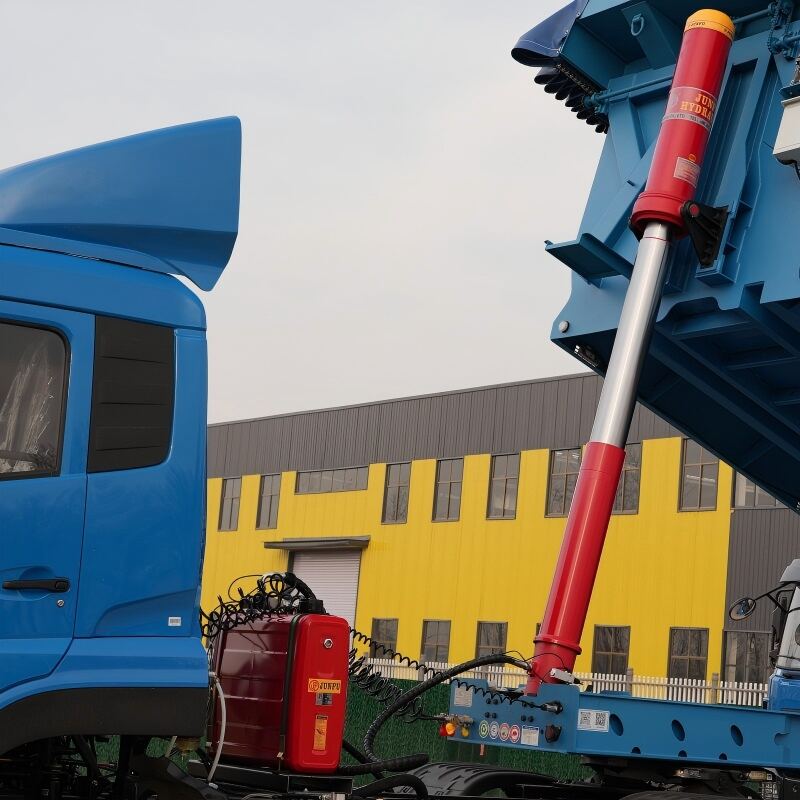
It's because of the remarkable technology that is hydraulic cylinders. It is just like strong muscles that make things go up and down or back and forth. Simply put, when you hit a button or take hold of a lever, the hydraulic cylinder forces fluid to generate power and force. This force is able to raise heavy weights, turn gears, or divert things. Junfu Hydraulic is one of the good firms that manufacture hydraulic cylinders. They prioritize quality and ensure their products can stand up to tough work every day. This post will review the hydraulic cylinders in factories working principles and how you can solve common problem if they occur.
What Are Hydraulic Cylinders Used For In Industry?
Hydraulic cylinders are common in factories and other industrial settings. Their most important role is to translate the power of pressurized fluids into pure motion. Here’s how they work, inside the cylinder, a rod changes position. As fluid is introduced into the cylinder, the pressure of the fluid extends the rod. This causes the rod to move up or down. Picture a very large elevator that can hoist heavy boxes. Think of the hydraulic cylinder as if it were that elevator, raising stuff without requiring a huge amount of effort. Hydraulic cylinders, for instance, can be used to raise enormous cranes lugging heavy materials and putting them into place on construction sites. They are also employed in forklifts that carry pallets of goods so workers can knock themselves out, moving stuff around. Even vehicles rely on hydraulic brakes to come to a sudden, safe stop.
You’ll find the cylinders in factory machines that carry out packaging, molding and even work in robots. These machines are faster and safer to work with due to the force that is provided by hydraulic cylinders. Workers don’t have to carry heavy items by hand, thus reducing the risk of injury. Hydraulic systems can also deal with diverse types of loads and forces so that they can be useful in a wide range of applications. The larger the cylinder, the more weight it can lift. Junfu Hydraulic ensures their cylinders are tough on the outside, reliable on the inside to provide the sort of performance they can depend on. When you watch a large piece of equipment doing its job easily and effectively, chances are there is one or more hydraulic cylinder behind it.
Steps for Resolving Hydraulic Cylinder Problemsenment
Sometimes hydraulic cylinders have issues. But don’t fret, lots of problems can be resolved with little hassle. One common problem is a leak. If you find it lying on the ground, this could indicate that the gaskets of the cylinder are worn. It’s as if you have a tire with a small hole; you just need to patch it up a little. You can solve this by replacing the snuff-fit or worn seals. It's not hard! Just disassemble the cylinder carefully, replace the seals, and reassemble.
Another case can be that the cylinder motion is not correct. If this is slow, or if the pedal doesn’t return to the top at all, then there might be air in your hydraulic fluid. That’s trying to drink milk through a straw when there is a hole in the end nothing is gonna come up! To resolve this, you can bleed the cylinder. In this case, the air must be bled out of the fluid system to regenerate free flow. You also should inspect the hydraulic fluid level. If it is low, just add fluid. Be sure of the proper type hydraulic fluid.
You should also listen for weird sounds coming from the hydraulic cylinder. If there are grinding or banging sounds, it could be a sign that something inside is wrong, like dirt or broken parts. Ensure you clean the cylinder frequently and search for any broken parts.
Junfu Hydraulic wants to help you maintain your hydraulic systems so you can keep them running strong. They provide support and advice to ensure the success of their products. By performing basic inspections and maintenance, you can prevent many hydraulic cylinder problems. Don’t forget, keeping everything cleaned out and filled up will help your machinery last longer and work better!
What Are the Benefits of Hydraulic Cylinders?
For many machines, hydraulic cylinder is an essential instrument that helps to get the work done easily. One major reason people are so fond of hydraulic cylinders is because of their ability to deliver a lot of power in a compact size. This means they can lift heavy objects without requiring a lot of space. For instance, workers might lift cars or heavy equipment with hydraulic cylinders at the push of a button. This power is provided by the means of the hydraulic fluid. As the fluid moves inside the cylinder, it pushes against a piston that causes the cylinder to rise or fall or come out. This action is seamless so that machines can operate safely and efficiently.
A further benefit, that of the speed attainable with hydraulic cylinders. They can also move with speed, which helps machines perform tasks more quickly. For example, hydraulic cylinders are employed in construction equipment including excavators and bulldozers to dig and lift materials with powerful speed. When you’ve got a job to complete, speed is crucial and hydraulic cylinders can help it happen. And hydraulic systems are highly versatile as well. Hydraulic Cylinder Design Engineers have the freedom of designing Hydraulic Cylinders in various shapes and sizes to meet application requirements of many machines. Which is to say, hydraulic cylinders can be found in tractors, planes and even elevators.
Finally, hydraulic cylinders are controllable. Operators can control the amount of power and motion simply with their fingertips. For instance, lifting something slowly or dropping it fast is as easy as manipulating the controls. Junfu Hydraulic is a dedicated manufacturer that manufactures quality hydraulic cylinder with all these amazing benefits. Our products guarantee that users obtain the most performance and safety aspect of their machines time after time.
How Does Different Hydraulic Cylinder Design Affect Performance?
Hydraulic cylinders have a wide variety of designs and can be found in numerous systems. The single-acting cylinder is one of the very basic designs. The key with this variety is that hydraulic pressure only powers it in one direction up, for example. And then the spring or gravity accelerates it back to its original position. The design is simple, cheap, and perfect for tasks where you don't need movement control on both sides. It’s usually for elevators or small machines.
A second common configuration for the cylinder is known as double-acting. This kind operates using the hydraulic pressure for reciprocating the piston. It is also able to pull as well as push and has a very wide range of applications. In this way, it can provide more power and control, which is why we find it used in larger machines, such as cranes or forklifts. The increased versatility that gives operators more control over heavy loads and complicated tasks a huge asset in industries like construction and manufacturing.
Hydraulic cylinder designs also come in various sizes and materials, which can also impact performance. For instance, larger cylinders can accommodate more weight but may also occupy more space. Smaller cylinders, meanwhile, are easier to stash in tight spots but might not lift as much. The material of the cylinder matters, too, stronger materials can take more pressure but might weigh more. Junfu Hydraulic produces a range of hydraulic cylinders to suit various requirements so that customers can find the right design for their particular application. Learning how these designs work allows users to make a better decision on their machines.
What Are the Hydraulic Cylinders Best Practices?
To ensure that your hydraulic cylinders are in good working conditions, it is really important to maintain them. Inspecting regularly for leaks is one of the best practices. Hydraulic fluid is crucial to maintaining cylinder movement, so leaks in the system can cause big issues. Users should check for any fluid spotting or dripping around the cylinder often. When they do find a leak, it’s essential to fix it immediately in order to prevent damage and keep the system running efficiently.
They want to save some cylinder-cleaning for themselves. Dirt and debris have a way of finding their way inside the hydraulic system, where they cause some degree of wear. This can be avoided by wiping out the cylinder with a soft piece of cloth. It’s also crucial to regularly check hydraulic fluid levels and keep them topped up. Their loss may cause a failure of the hydraulic system, -this being dangerous. Maintaining the hydraulic fluid change routine schedule in your owner’s manual can really extend the life of that cylinder.
And lastly, seals and fittings should also be checked on a regular basis. Seals on a faucet can wear out and cause leaks. Should the seals be defective, they must be replaced directly. High quality seals are essential for preserving performance. Junfu Hydraulic suggests that you practice them to maintain the good use of hydraulic system. By remembering to service hydraulic cylinders, users can prolong the life of theirs and keep their machines in safe working order.