
 EN
EN
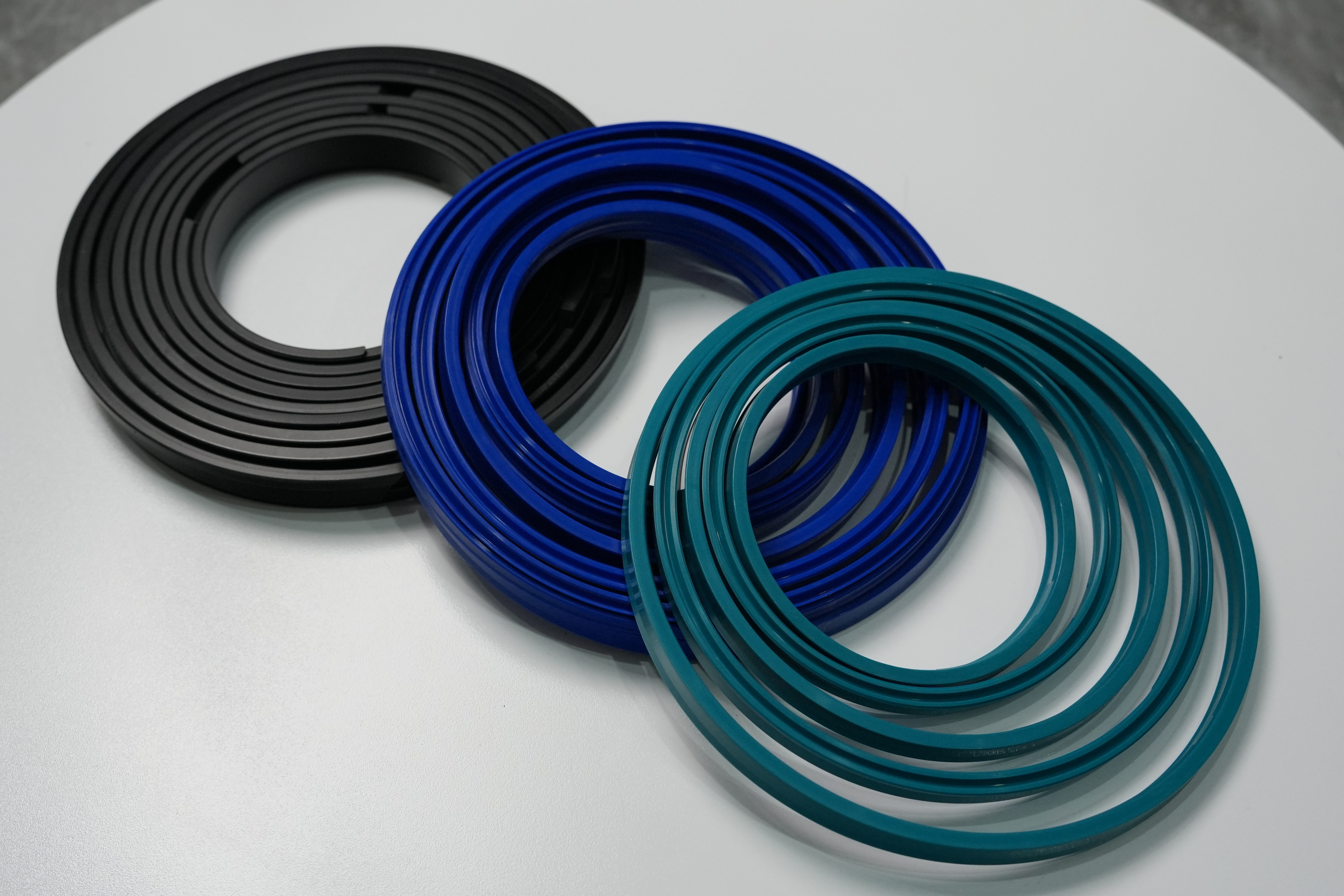
A Brief About The Hydraulic Cylinder!/ioutil+html These structures are what facilitate things being moved up and down or side to side. Seals are core components of these cylinders. Seals in those joints keep the hydraulic fluid inside the cylinder so it can operate as designed. Seals can degrade over time, and when they do you’ll be met with drips or underwhelming performance. Understanding how to replace these seals can save money and keep your systems running optimally. We know how essential good seals are in keeping your hydraulic systems running smoothly here at Junfu Hydraulic
How to Recognize Hydraulic Cylinder Seal Problems
The failure of seals in hydraulic cylinders can lead to issues with the operation of the machine. Leaking fluid is one of the most common problems. If you notice any oil or hydraulic fluid dripping around the base, that’s a dead giveaway. The seals can become broken down or worn, which may occur over time, dirt and pressure. Another problem is performance degradation. For instance, if a lift is working slower than it once was, that might be because those seals aren’t retaining pressure very well. You may also detect abnormal noises — a grinding or knocking sound, for example — that indicate trouble within the cylinder
It’s important to watch for these signs. (Regular inspections may catch problems early.) Check the seals for cracks or tears. Sometimes you can even judge the hardness or brittleness of the seals. They should be soft and flexible When you see any of these problems, the best thing to do is act fast. Disregarding leaks or subpar performance can result in larger issues down the line, which could mean more time, and money, to be spent fixing it. You can drop us a line At Junfu hydraulic, we advise that you keep the proper checks on your Hydraulic Cylinders to ensure all is in good working condition. Your equipment will thank you
How to Choose Seals for Hydraulic Cylinders
Selecting Proper Hydraulic Cylinders Seals Are as Important as Changing Them So you need to know how to select the right seals for your hydraulic cylinders. The material is going to be the first thing to look at. Other materials are more appropriate under different circumstances. For one, rubber seals tend to be popular because they can deal with different fluids and temperatures. But if your machine is operating under very high pressure, you may want seals in stronger materials, such as polyurethane or Teflon
Another consideration is the size of the seals. The gaskets must be an exact fit on the cylinder. If they are too loose or too tight, they won’t function properly and could cause leaks. Always check by measuring the cylinder or looking at the manufacturer’s specifications. It also depends on the way the seal is designed. It is important to note some seals are designed for certain hydraulic fluids whereas others aren’t. Junfu Hydraulic specializes in seals for all kinds of machines under any conditions
And then of course, there's the environment that the machine works in. If you are looking to protect it from dirt and dust by having seals that can hold up against debris, then you should consider one with them for a longer life expectancy. Also consider the temperature where your hydraulic system will be working; if it gets very hot or cold choose seals that won't break down due to those conditions. When you choose the right seals, your hydraulic system stays in good working condition
Whether you are working on replacing “outboard” seals from the safety of your own shop or in the field that covers with far too many splashes and not enough drinks, consider these thoughts next time.
Hydraulic cylinders are part of the mechanics that can help to raise and move heavy things in many machines, including tractors and forklifts
Leak If the seals in the cylinder are worn out or damaged, it can result in a leak. Here’s how to replace them
First, gather your tools. A wrench, a screwdriver, clean cloth and a new set of seals provided by Junfu Hydraulic Your hands can be protected by wearing gloves as well. Begin by shutting down the machine and ensuring it is totally safe to work on. You say that and then you have to remove the hydraulic cylinder. See if you can find any bolts holding it. Unscrew these bolts with your wrench to avoid stripping them
After the cylinder is removed, you will have to evacuate any hydraulic fluid from it. Be cautious: this solution can get messy. Have a bucket or tray handy to catch it. After emptying the fluid, check the surface of the cylinder for dirt and damages. Wipe it with a cloth so that no dust fall into the interior when it is opened
Now, remove the end cap of the cylinder. Now, unscrewing it. that may require a wrench or screwdriver depending on how its fastened. Remove the end cap now you will see the seals. Take a close look at them. If they cracked or hard to the touch, it’s time to replace them. Gently pry out the old seals with a tool such as a seal pick. Be careful not to scratch the cylinder with your screwdriver
Now remove the new seals from Junfu Hydraulic and install them. The Fit ensure they are tight and that they rest properly. From there, slide the end cap back in. Next, fill the cylinder with hydraulic fluid, and ensure that you set it to its appropriate level. Lastly, replace the cylinder to the machine and properly fasten it with all of its bolts. Verify that everything is tightly fastened and there is no leakage
Replacing seals in a hydraulic cylinder is not an easy task, and it’s better to avoid the following mistakes
One common error is failing to clean the cylinder fully before replacing the seals. If the cylinder is dirty, it could cause the new seals to wear out prematurely. Just make sure you wipe it all down with a fabric before you start working
Another mistake is not using the correct size seals. Ensure you always have the right seals from Junfu Hydraulic that go with your cylinder model. If too large or small, they won’t fit properly and can lead to leaks
They also forget to check for other damage in the cylinder. Before installing new seals, check the cylinder walls for scratches and gouges. If you do spot any, you may have to repair those before installing new seals. Another common mistake is not screwing the end cap tight enough. If it’s unfastened, hydraulic fluid may leak out. Make sure everything is tight, but not too tight
Whenever you feel in doubt, it’s always a good idea to ask for help. There are plenty of guides and professionals to help you when it comes to safety in the replacement of seals for hydraulic cylinders. There are useful tutorials, videos and tips online from pages dedicated to hydraulic systems. You may find some expert guides online that can make the job easier
Junfu Hydraulic also supplies references, and manuals about how to replacement seals step by step. It may help for you to read through these guides to get a sense of what you can do and which tools to use. You can save time and obviate mistakes by using expert advice
Finally, if you would prefer to see someone do it before trying it yourself, there are plenty of videos available online demonstrating the seal changing procedure. There’s also the fact that sometimes it helps you to see somebody do it, rather just reading how to do it as well. Guides or quality videos make no difference, but you have to be willing to learn. That way, you can get the self-assurance to replace your seals in hydraulic cylinder and keep your equipment running efficiently
Table of Contents
- How to Recognize Hydraulic Cylinder Seal Problems
- How to Choose Seals for Hydraulic Cylinders
- Hydraulic cylinders are part of the mechanics that can help to raise and move heavy things in many machines, including tractors and forklifts
- Replacing seals in a hydraulic cylinder is not an easy task, and it’s better to avoid the following mistakes