
 EN
EN
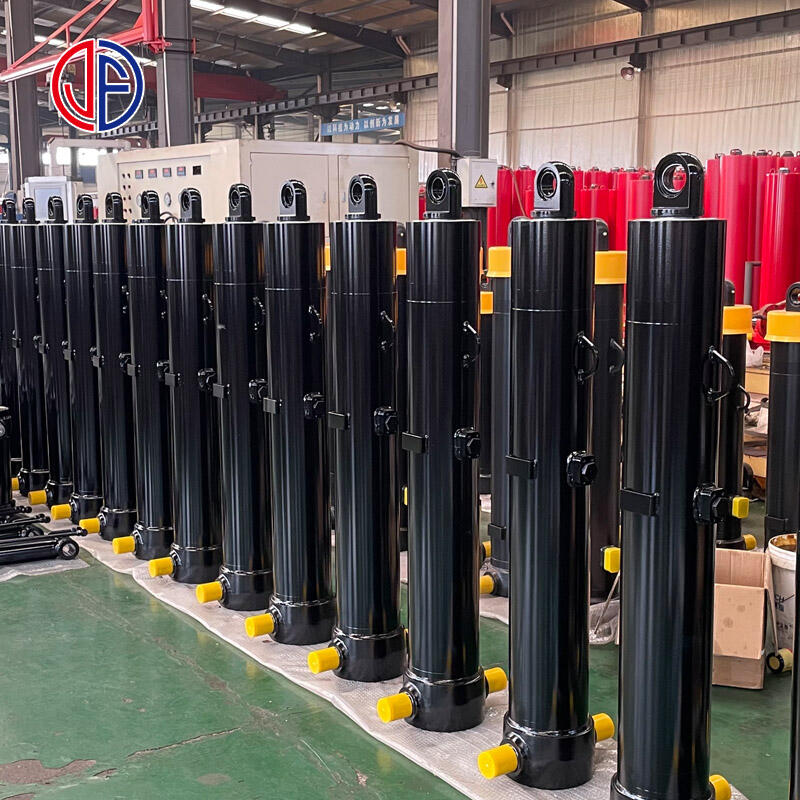
Disassembling a hydraulic cylinder might be straightforward in some cases, but there are other times where you have no idea what to do. For us at Junfu Hydraulic, we want to ensure that we provide you with our acquired knowledge so you know how to properly take apart these vital pieces. Hydraulic cylinders are used to help lift and push heavy objects, so they are a major part of construction and manufacturing. But if you ever find the need to disassemble one, whether for maintenance or repair, here are a relatively easy series of steps and some pointers to help you get it right.
Hydraulic Cylinder Disassembly for Wholesale Buyers
If you are a wholesale hydraulic cylinder buyer, knowing the reasons and methods to disassemble hydraulic cylinder is a must. These cylinders are sophisticated yet indispensable elsewhere in machines. Check the cylinder for signs of damage or wear (leaks, dented metal) before you disassemble it. Some careful scrutiny now will save you time down the road. Be sure to have all pertinent information about the cylinder you are using. This could involve consulting the manual or browsing online, looking for your cylinder's model number. Furthering the safety issue, gloves and goggles should always be worn. Ensure the power is turned off and the pressure is exhausted before turn on. There might even be hydraulic fluid inside, and that can make a mess if you’re not ready for it. Have a receptacle to collect any fluid that spills at the ready. You will need the appropriate tools like a wrench, pliers and screwdrivers. If you don’t have these, ask the supplier or a local store. As you take parts off its important to keep things in some semblance of order as it will make your life easier during reassembly. Keep in mind, taking something apart isn’t just about unscrewing bolts. Note how everything is connected, and photograph if possible. Consequently, when you need to reassemble it you’ll have a very clear idea of what to do. Be safe and think about it, don't try to rush through; there is no need.
Choosing the Right Tools for Hydraulic Cylinder Disassembly
The selection of the proper tools for disassembling a hydraulic cylinder is crucial if you want the job to go smoothly. You don’t want to jump in without the proper setup, which will merely result in frustration. The basics for most will include a hydraulic jack, both standard and metric sets of wrenches, pliers, and variety of screw drivers. Make sure your wrenches are secure and fit well over the bolt heads when removing the wheels to avoid stripping them. It's very important, especially if the bolts get rust or are over tightened. You might too need a torque wrench to get nuts and bolts tightened down correctly once you put it all back together. Occasionally, a hammer and flat piece of metal will help to free up stuck parts. It’s not a bad idea to keep a few extras on hand, too. For example, a little torch can be used to free up stubborn bolts by heating them until they are cold, and thus easier to unscrew. Special Note: Don't forget your safety gear including gloves and goggles! If you’re in doubt about a tool that might come in handy on the job, check with suppliers or online forums. They can suggest a lot of fine tools you might not have considered. As with any job, having the right tools makes a world of difference they will make disassembly precise and safe. Quality tools can lead to better results and less frustration down the line. With everything set, you’ll feel more secure in breaking apart the hydraulic cylinder.
Step-by-Step
Disassembling a hydraulic cylinder is a job that doesn’t require any special tools or advanced training; it’s also one of the most important steps in cylinder maintenance to get right. A hydraulic cylinder is a device that elevates heavy objects with fluid pressure. Do you have a hydraulic cylinder from Junfu Hydraulic system and would like to know how to safely disassemble it? You will need a few wrenches and screwdrivers and a clean, safe area in which to work. Begin by shutting down the equipment it is the hydraulic cylinder of. This is crucial as you don't want any surprises when cutting. Next, see if there are any safety instructions that arrive with your cylinder. Go ahead and read them all now.
When you are finished, drain all the oil out of the hydraulic cylinder. You could achieve this by locating a drain plug at the bottom of the cylinder. Be very careful there may be hot oil, and you do not want to spill it. After drains remove the hydraulic hoses. These tubes form the connection between the cylinder and the machine. Gently use your wrench to unscrew them. You can begin unscrewing the end caps of the cylinder after the lines are removed. This is where the SAXS pressure chamber resides. Turn the nuts off counterclockwise with a wrench.
Then carefully remove the piston from the cylinder. Be gentle (because some things may be stuck). And if necessary, you can give it a gentle tap with a soft implement to break it free. If the piston comes out, look for any kind of seals or rings around it. These parts can wear out and may need to be replaced. Finally, wipe all the parts down with a cloth and inspect them for damage. Once everything is clean and you’ve looked over the parts, you can set them aside in an organized manner for reassembly later.
How to Solve Hydraulic Cylinder Disassembly Problems In The Field
Every now and then, when you disassemble a hydraulic cylinder, you may encounter difficulties. Don’t worry; the latter can usually be fixed with some gentle persistence. One issue to be aware of is that some of the parts can stick. This can occur if oil has dried or there is dirt inside the cylinder. Should you encounter difficulty pulling the piston out, simply tap it lightly with a rubber mallet. Just don’t hit it too hard, or you’ll be breaking a few things.
Another issue may be that you are having difficulty unscrewing the bolts or nuts. If they are rusty or overly tight, a shot of penetrating oil may help. Spritz nuts with a little bit of the oil, then let sit for a moment before using. After that, it should be easier to unscrew them. Remember that some parts may be damaged if you are working with older machinery. If a piece appears mangled, then that’s probably worth taking a moment before moving to see if there are another part that will allow you to continue. A compromised part can escalate into larger, more complicated trouble down the road.
Finally, ensure to have a clear space. Every now and then, dirt or debris may drop into the cylinder as you’re disassembling it. Verify your tools before you turn on the power and clean up before start. Preparation is vital too and you can eliminate a lot of common problems if you take you time and get yourself organized. Keep in mind, though, that the priority is always safety when using machines like these. When you do not know something, it is all right to ask someone rather than just try to guess.
How Can I Avoid Hydraulic Cylinder Problems?
To maintain your hydraulic cylinder, most particularly from Junfu Hydraulic is being prevent it. One way is that you just want to do regular maintenance. This implies the hydraulic fluid should be monitored and oil changed when dirty. A clean oil is conducive to this type of cylinder working better and lasting longer. Another thing to be on the look out for is leaks. If you see oil spots around the cylinder, it may indicate that there’s a leak to be fixed. The sooner you can catch a leak, the more trouble and expense you may save yourself down the road.
It’s also worth giving all seals and rings a regular check over. Over time, these parts can wear out, causing leaks or poor performance. If you notice any cracks or obvious weakening, replace them immediately to stay out of trouble. First, ensure the cylinder and the area around it is clean. Dirt and grit can get inside and damage the lamp. Clean the exterior of the cylinder, and clear space around it.
When operating equipment containing hydraulic cylinder, always read and follow instructions. Do not force the cylinder beyond its limits as it may potentially fail. Be mindful of what your machine is doing at all times. If you notice anything odd, such as funny noises or jerky operation, quit using it and check it over right away. Lastly, training is important! Make sure everyone who is using the machine knows how to use it correctly. This information will assist you in avoiding accidents and maintaining the good condition of your hydraulic cylinder. If you’re looking to make sure that your Junfu Hydraulic cylinder is running smoothly and remains in good condition then a hydraulic system functioning at its full capacity requires some care.