 EN
EN
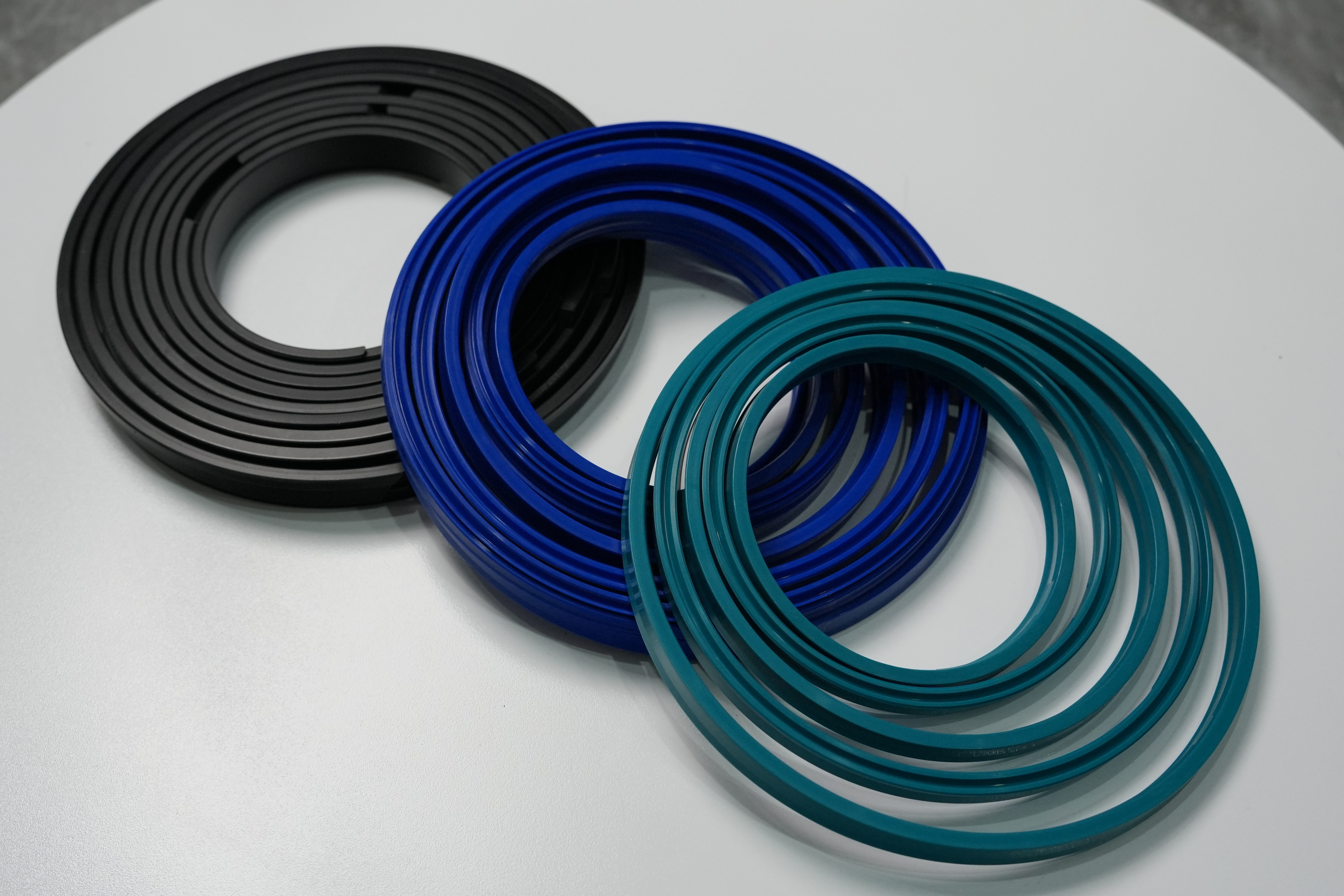
The process of replacing seals on a hydraulic cylinder is quite simply. If you see your hydraulic system leaking, or it doesn’t perform well, maybe the time of changing those seals has come. Seals are what keep the fluid in a hydraulic cylinder. This is very well for the machine. When these gaskets let go, it causes leaks, damage and ten times the work compared to what you’d get with typical lip type seals. Understanding how to replace them can save you time and money. Here at Junfu hydraulic, we want to help you learn how to do this job right. Let’s get into how you can change the seals of your hydraulic cylinders.
A Step-by-Step Guide
First, you have to get ready. Safety must come first. Be sure to wear gloves and safety goggles. You don’t want any hydraulic fluid to splash on you. First make sure the hydraulic system is not activated. Let’s get down to business. Start by taking out the cylinder in its casing. Now just unscrew them using a socket or wrench. Some are hard to pull out because of rust. That’s okay, take your time. Then locate the cap or head of the cylinder and remove it. Carefully set it aside. You might notice the old seals sticking out. Use a plastic scraper to scrape each out gently. Just be sure not to scratch the side of the cylinder when you do that.
Now, take your new seals out. Before you put them in, you should clean the sealing area on the inside of the cylinder. Any dirt or a scratch can make new seals leak, and wherever you’re behind the wheel that’s bad news. Reinstall the new seals after cleaning, ensure that they sit in tightly and are not turned. Tighten the cap or head back on. You don’t want any leaks. Reinstall the cylinder on its mount and bolt all tight. And then finally powering the hydraulic back up. Test the machines to make sure everything works. You should not see any leaks. There you go, you’ve now replaced the seals in your custom hydraulic cylinders.
What Are the Necessary Tools for Replacing Hydraulic Cylinder Seals?
Now that you have an idea of what is involved in changing seals, let me give you a list of tools and supplies needed. You will need a wrench set: First of all. This is essential when it comes to the loosing and tightening of bolts. Include a socket wrench for added leverage on stubborn bolts. You also will need a plastic scraper that is useful for getting the old seals loose without scratching or gouging the cylinder. You may also require a clean rag to wipe off any dirt before installing new seals. Keep a flashlight handy. The one downside is that if the lighting isn’t great, this can assist you in seeing well inside the cylinder.
Don’t forget about safety gear. You’ll also need protective gloves and goggles. While on the topic of hydraulic systems, safety is very important. A seal kit that comes with the appropriately sized seals for your cylinder is required as well. Before you begin, make sure you’ve selected the right size. Trust me, you don’t want to get into the middle of a job only to find out that you’ve got the wrong parts. Alternatively, a torque wrench is useful if you want to make sure your bolts are torqued correctly. This prevents over tightening, which may result in even more problems.
With your tools prepared, you won’t waste time looking for the tool when you need it. Preparation of everything you need is always best in advance. At Junfu hydraulic, we understand that organizing your work is a messy job can make you much more efficient. By having your tools at the ready, and following a couple simple steps, you can replace big hydraulic cylinder seals to get yourself back on track. Remember, practice makes perfect. Every job, you’ll get better and faster at replacing seals.
Top Signs You Need to Replace Your Hydraulic Cylinder Seals?
Hydraulic cylinders are components of many machines, such as construction vehicles and tractors. They get heavy loads up and on the move. But with time, the seals of these cylinders could get worn. You should also be able to recognize when it’s time for a new pair. One clear sign is leaking. If there is any oil pooling around the cylinder or leaking out onto the floor, this is a good indication that the seals need changing. Another indicator is a loss of performance. If your machine isn’t running as smoothly as it used to or if it seems “sluggish,” one of the seals might be impaired. This can result in a loss of pressure, which causes the machine to work harder. Strange sounds can also spell trouble. Strange noises like grinding or screeching when your machine is working could indicate that the seals are failing (their job). Finally, if you see any overt cracks or tears in the seals, replace them straight away. Regular checks can assist you in catching those issues early. In general, if you notice leaks, performance changes or strange noises from your hydraulic cylinders, or can actually see that there’s damage, it’s best to consider replacing the seals. Just remember that taking care of these little parts can keep your machine running better and longer.
Choosing the Appropriate Sealing Material for Your Hydraulic Cylinder
Selecting the wrong seal material for your hydraulic cylinder is a common problem. Seals aren’t one-size-fits-all and various materials can be effective with different conditions. So the first thing you need to consider is what kind of fluid that cylinder uses. Some are oil, and there are water-based. The seals need to be of the right type for the fluid used in order to avoid harm. For oil-based fluids, rubber and polyurethane are commonly good materials. They will not break down under the heat and pressure. Then there is the temperature of the environment in which the machine will be run. If it’s too hot, or too cold, you’ll need seals that can withstand those temperatures. For warm environments, silicone seals can be fine; cold temperatures might require special materials that won’t crack. And you should think about the workplace, too. Is it dusty or muddy? If so, pay attention to seals that can block dirt and debris. That helps, in keeping everything clean and usable. Junfu Hydraulic provides a variety of sealing material for different conditions that easy to find the one you'll need. Finally, ensure the seals are sealing to the right size. They have to fit in the cylinder just right, so measure before buying. Taking these factors into account will help you select the ideal seal material to enable your hydraulic cylinder to perform at its best and last longer.
Wholesale Hydraulic Cylinder Seals - Where to Get Them for the Best Rate?
The next thing is where to buy cylinder seals. You need to ensure that the shop you choose to purchase from will offer you quality products of these spare parts, at the same time, charge you a fair price. I would advise you to look for a wholesaler. Most wholesalers sell products at a low rate due to the fact that their customers usually buy products in large quantity, hence they do not need to charge high rates. Junfu Hydraulic is known to be one of these sellers. The wholesaler has an online shop from where you can place your order. In most cases, purchasing products directly from the manufacturers helps you go at a lower price than when you buy from a retailer. Moreover, you can access their website from where you can view the different products they have and compare the prices. This will enable you to go for the most affordable one. You can also look for the best offer. This is where you may also ask your friends or professional colleagues in the same industry to refer you to some reliable suppliers whom they know. Customer reviews will also grant you sufficient information about the supplier’s reputation and the quality of the products they offer. Choose the best option for you and make your order.