 EN
EN
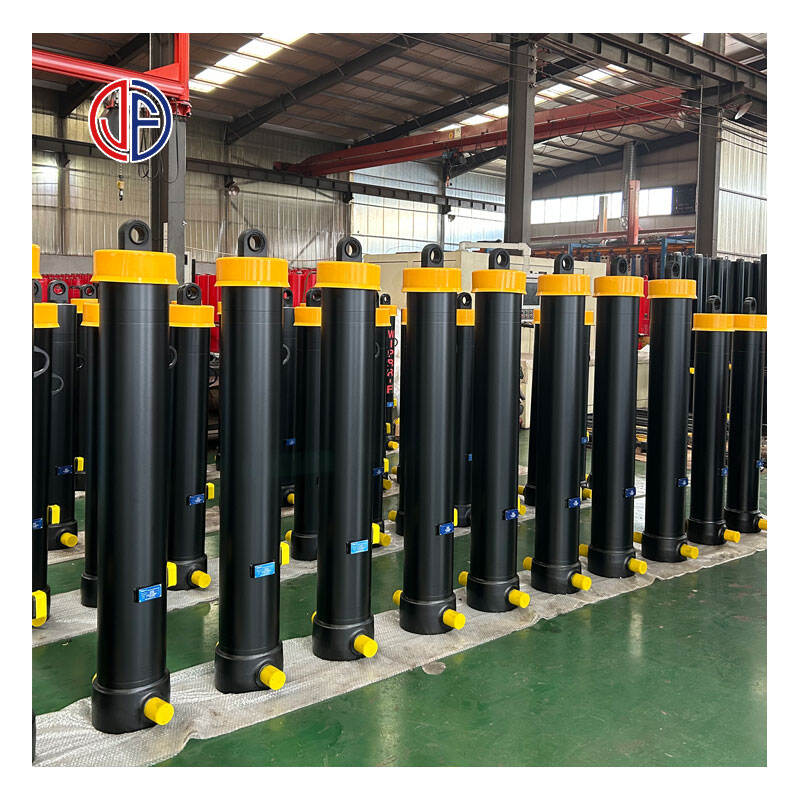
An uninitiated reader might think changing out the seals on a hydraulic cylinder seems like it could be complicated; but not so Start-to-Finish: A guide to replace hydraulic cylinder seals with custom made tools. We at Junfu Hydraulic understand the value of a smooth running hydraulic system. Seals, are so important because they prevent leaks from occurring and everything moving properly. Look for any oil seeping around the cylinder hydraulic— if so, you may want to replace the seals. Not only will this save you money in the future, but it also allows your machine to run safely and efficiently. Follow along as we take a look at the process of changing those seals and finding the type that will work best for your purposes.
What Are The Important Hydraulic Cylinder Seals Replacement Steps?
Before you can begin changing hydraulic rod seals, make sure to have all your tools ready. You're going to want a wrench, a seal puller, new seals and some cleaning supplies. Start by disabling and disconnecting your hydraulic system to remain safe. Then carefully take the hydraulic cylinder out of the machine. This is due to the fact that this step should be taken with caution so as not to destroy any part. When the lift cylinder is taken out, place it on a neat ground. Next, you will need to take out the old seals. Pop the seal using a seal puller, but be careful not to demolish it. One reason for this is that you could destroy the body of your cylinder. After the old seals are out, clean your cylinder well. Wipe clean and use a rag and some cleaner to ensure no debris or old seal remains. Now you’ll want put in the new seals. Fiddly one is to put them in properly, making sure they slot into the grooves. I lube it up good and that helps make the seals slide in easily. After that, reassemble the cylinder. Bolt it back on the machine and hook up your hydraulic lines. Once everything is back in position, inspect to make sure everything looks tight and locked. Eventually you can top off the hydraulic system, and operate on low pressure to try it out. If it all seems clear, crank up the pressure and remember to check for leaks. As with all things, if you’re unsure along the way, feel free to consult a pro.
How to Find The Appropriate Hydraulic Cylinder Seals?
The ideal hydraulic cylinder seals are essential to the proper working of your system. We at Junfu Hydraulic know that different machines have need for different specifications. Here’s how you can find the seals that are right for your project: First, examine the specifications of the seals you currently have. Find a heavy duty hydraulic cylinder with the dimensions, specifications and model that you need. Some seals are rubber, while others could be polyurethane or PTFE, all with their advantages. Also, the temperature and pressure level under which your hydraulic system operates is also another big consideration. If it’s running hot, then you will require seals that are designed to hold up under high temperatures.” With these specifics in hand, you should be able to contact a catalog or an expert at a hydraulic supply store. They will steer you to the correct seal based on what you find. Also, consider the environment in which your machine works. For dusty or dirty environments, seals that further protect from contaminants should be considered. And also investigate long-wearing seals — they may be slightly more expensive right out of the gate, but will save you in the long run by not leaking and not needing to be replaced. In conclusion, familiarizing yourself with your machine and having all the right information at hand will help in selecting out of the seal options available to you, thus choosing seals that are fit for purpose.
What equipment do i need to make hydraulic cylinder seals sets presentable?
A couple special tools are necessary to properly replace hydraulic cylinder seals. First, you’ll need a wrench. You can use a wrench to loosen and fasten the nuts or bolts on of the hydraulic cylinder. Ensure the size is right for the job. You’ll probably also need a socket set, or a bunch of differently sized sockets that you can attach to your wrench. In this manner, you can hook it onto several different nuts and bolts. Then, you need a seal puller. A seal puller is a special tool that makes removing old seals without ruining the cylinder possible. These seals are rubber rings which can deteriorate gradually and a clever seal puller makes this task easier. A clean rag for removing any dirt or old oil is another useful tool. Keeping it clean is crucial to make sure the new seal fits snugly and does its job. You may also need some grease. Grease makes the new seals seat and function better. Also, having a torque wrench is really nice. A torque wrench lets you tighten bolts to your desired tightness, and that is crucial so that everything will hold together nicely. They really help protect your eyes against any dirt or debris that may be flying around when you’re working. All you need is a wrench, seal puller socket set, clean rag, grease clean up stuff off the lathe Tools needed to replace hydraulic cylinder seals include :A torque wrench and safety glassesCount up all the available tools on your bench – now add several more: Your shopping list will be materializing before long. Get prepared and stay safe for that job with Junfu hydraulic.
When is it Time to Replace Your Hydraulic Cylinder Seals?
It’s really important to know when to replace hydraulic cylinder seals, for ensuring your equipment works well. Here are a couple of signs that can help you know when it’s time for new seals. There are a few big signs, and one is seeing fluid leaking. If you see any oil or hydraulic fluid on the exterior of the cylinder, that’s typically a pretty good sign your seals are shot. If the seals are no longer tight, there could be fluid leaks, and this can have an impact on how far your hydraulic system works. Another hint is that the cylinder no longer operates smoothly. If you are getting jerking or the cylinder does not travel smoothly up and down, perhaps you should check the seals. And if you hear any weird noises, such as grinding or knocking sounds, this could be a warning sign too. It could indicate that the seals on the moving parts inside the cylinder are not being protected as they should be. Your hydraulic cylinder also needs to be inspected regularly. Examine for any cracks or damage around the seals. Fluid can even leak through small cracks, leading to larger problems down the line. Take note of how much are you using your equipment. If you use them a lot, the seals may wear out faster. Regular maintenance is important. You may also want to check while you are using your cylinder for any of these indicators to determine when it’s time for new seals. Here are a few suggestions for making the most of your hydraulic seals. Were sure you will find it helpful Make Sure Its SealedMake sure to regularly check your seals and avoid surprises down the road, everything works better that way.
Where can I procure common hydraulic cylinder parts in bulk?
When you’re in the market for hydraulic cylinder parts especially a lot of them all at once – it can be tough to know where to turn. A good place to begin may be the internet. There are a lot of companies that sell these hydraulic parts online, but you’ve got to make sure the company is reputable. Look for reviews from other customers. Good reviews will let you know if people had good experiences with that company. A different way to connect is by word of mouth in your neighborhood. Typically if you know someone that works with hydraulics, they can recommend places where they buy their parts. It’s good to get someone who has already tested a company’s products because you can hear their actual review. You might also try local automotive parts distributors. These are firms that then offer their parts to all comers, and they tend to work directly with manufacturers. They have lots of options available at excellent prices. And don’t forget about reaching out directly to manufacturers like Junfu hydraulic, either. In some cases, purchasing directly from the manufacturer can save you money and guarantee that you are getting quality parts. You also want to make sure the parts are warrantied. A warranty may protect you if the parts are problematic. The fact that these parts are reliable and come with a good warranty proves that the company believe in and back their products. Finally, keep shipping in mind. If you’re buying in bulk, find a company that ships parts well and fast so they get to your doorstep safely. With these guidelines, you can ensure that you find high-quality hydraulic cylinder parts for your requirements.
Table of Contents
- What Are The Important Hydraulic Cylinder Seals Replacement Steps?
- How to Find The Appropriate Hydraulic Cylinder Seals?
- What equipment do i need to make hydraulic cylinder seals sets presentable?
- When is it Time to Replace Your Hydraulic Cylinder Seals?
- Where can I procure common hydraulic cylinder parts in bulk?