
 EN
EN
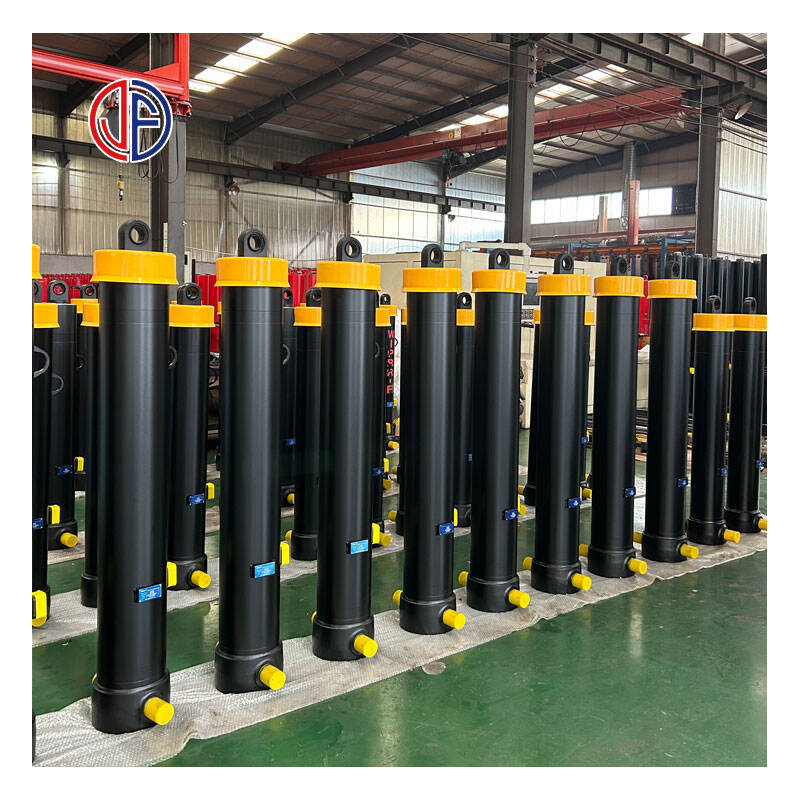
The process to repair a hydraulic cylinder can be daunting and dangerous, but with some basic tools from Junfu Hydraulic you will be able to handle it. Hydraulic cylinders are crucial in machines such as tractors, forklifts, and some construction machinery. They carry and move heavy objects. And every now and then, they can leak or fail. When that happens, you don’t necessarily have to purchase a new one. Instead, you can repair the old cylinder. Fixing it saves money and helps keep our world a little cleaner. It could just take some getting used to, but we can generally reduce it to simpler parts.
Step-by-Step Guide
Power down and remove power to the machine that hydraulic cylinder is a part of. Safety always comes first. Then to drain the cylinder of hydraulic fluid. This part is messy, so be sure to use a bucket or pan to catch the fluid. Then remove the cylinder from the machine. Inspect the mounting bolts and nuts; you may need a wrench to remove them. And don’t rush; if something feels jammed, resist the urge to force it.
When the cylinder is removed, you can disassemble it. Unscrew the male caps from the cylinder. A few components like the piston, seals and the barrel can be found inside of it. If the seals are worn or damaged, that may be why it was leaking. It’s good to replace them. Pull them out gently and wipe the grooves inside. It’s also important to maintain the inside, as dirt can cause problems down the road.
You can then install the new seals after cleaning. Make sure they are seated firmly in the grooves. Next, put the piston back in. And remember to see if she moves at all. Should it bind, you may need to revisit the installation.
To finish, replace the end caps on the cylinder and make sure everything is tight. Reconnect the cylinder to the machine and load with hydraulic oil. Give it a gentle test to see if it’s working an’ all Ok now. If it all looks good, congratulations. You’ve made a repair. It’s a matter of patience and practice, but rebuilding a hydraulic cylinders can be an enriching experience.
What You Need For Hydraulic Cylinder Repair?
When it comes to repairing hydraulic cylinders, the right tools can make all the difference. In the first place, you will want safety gear, like gloves and goggles, to protect yourself while working. Better safe than sorry, as they say. You’re going to need a basic toolset with wrenches and sockets. Varioussize so important because the bolt will be different shapes and sizes.
After that, you may need a hydraulic jack to assist in lifting or holding the cylinder if it is heavy. A pounding with a mallet or rubber hammer can loosen you up those stubborn stuck parts without hurting anything. A torque wrench is a useful thing to have so you can re-tighten things properly (or just test if they are too tight/loose).
A soft cloth and some cleaning solution will help to make everything nice and clean on the inside of the cylinder. You also may require a seal kit specifically for your hydraulic cylinder; these kits typically include new seals and O-rings. Occasionally you may find that certain tools such as a snap ring plier or seal installer help with getting the seals back in without damaging them.
Lastly you'll need a container or bucket to receive any remnants of hydraulic fluid so that your work area isn't left in a mess. You will truly appreciate having these supplies at your side and keeping tools in place right when it’s needed. Just remember, patience is key. Every tool has a use, and when combined with the right know-how you can bet your big hydraulic cylinder will be in good working condition again.
What Are Hydraulic Cylinders Best Practices for Wear and Longevity?
Maintenance of hydraulic cylinders is extremely important if you want to use them well for a long time. One of the good practices is never to allow the cylinders get dirty. Dirt or dust can be sucked in to the cylinder and affect the operation. Be sure to wipe the outside of the cylinder off with a clean cloth and feel for any cracks or leaks. If you notice any oil leaking, something is out of whack and requires attention. One of the valuable practices is checking the fluid. The hydraulic fluid is used to take up the cylinder properly. You definitely want to check to make sure there is enough fluid in the system and that it’s not dirty. However, dirty fluid can contribute to damage of the cylinder parts which cause it to wear faster.
You'll also want to keep the seals well-maintained. The seals are made of rubber and prevent the fluid from escaping the cylinder. If the seals have worn out or become damaged, they can also leak. They’re also nice to replace every few years simply to keep everything running nicely. Junfu hydraulic suggests you make a checklist to remind yourself what needs routine maintenance. This way you can get a handle on everything that needs to be done and nothing slips through the cracks.
And lastly; They are unsafe to use machines that depends hydraulically cylinder. Always use all machine safety devices and gears, never exceed maximum pressure of the cylinder, do not overload the cylinders. This can lead to stress and in some cases damage. And finally, if you hear any strange noises or notice abnormal movements during use of a standard hydraulic cylinders, cease using it immediately. Failing to heed these signs probably will result in worse problems down the road. Like anything else, preventative maintenance is your friend, and you will get many years of service from your hydraulic cylinders if you perform regular checks.
Maintaining Quality in Hydraulic Cylinder Repairs and Services
When repairing hydraulic cylinders, you must ensure the job is done right. By selecting the proper service provider, you can expect top-notch repair services as well. Find a company that’s looking for techs who have been around and understand hydraulic systems. Junfu hydraulic boasts qualified personnel to analyze and resolve problems proficiently. Inquire about their repair procedures and what they are testing to make certain the cylinders work as they should when repaired.
And make sure that you use high-quality parts when repairing. Cheap parts may deteriorate quickly and you will have to get them replaced more often. Make sure the repair company has a reputation for using quality parts. You can read reviews online, or ask people you trust for recommendations. Another method of checking quality is to inquire about warranties on repairs. A good company that is confident in the quality of their work will give a warranty — it shows they believe in what they can do.
If you have questions about the repairs, don't be afraid to ask. A great service provider will be willing to detail out what needs to be done, how long it will take and how much it’s going to cost. Key to preventing a surprise bill down the road is communication. Ensure that your technicians also give you a guide on proper maintenance of the cylinder so that it does not go back to leaks. Adequate aftercare can contribute to the maximum life of your hydraulic cylinder. You can keep your hydraulic cylinders working efficiently by focusing on quality in repairs.
How to Select a Dependable Hydraulic Cylinder Repair?
Selecting a reputable hydraulic cylinder repair service is crucial to maintaining your equipment. Begin by finding companies with licenses and certifications. This indicates that they have satisfied certain standards and are competent at tending hydraulic systems. Junfu hydraulic has experienced and qualified technicians to repair or maintain your hydraulic cylinder in a safe manner. Be sure to find out how long the company has been in business. A more experienced company is always the best pick, because they’ve probably seen all sorts of situations and know how to properly fix your damage.
Another method to select a service that is dependable is by seeking recommendations. Ask friends, family members or other business owners if they can recommend a solid repair service. Online reviews are also helpful. They can provide some insight into what you can expect from the company and its customer service. And make sure to inquire at what point you should expect the stalled car back. You should know how long your equipment is going to be non-operational so that you can prepare accordingly.
If you’ve narrowed it down, go to the shop if you can. This allows you to get a sense of how organized and neat the workshop is. A clean shop is often an indication the techs care about their work. Use this visit to speak with the technicians if you have any questions or concerns. And a good service will listen to you and offer clear answers. Last but not least, obtain a written quote before any work begins. This estimate also should finally explain what work is required, how much work would cost and a timetable of when the repairs are to be done. That way, there are no surprises later. If you search and find a reputable service, you can rest assured that your hydraulic cylinders are left in good hands.