
 EN
EN
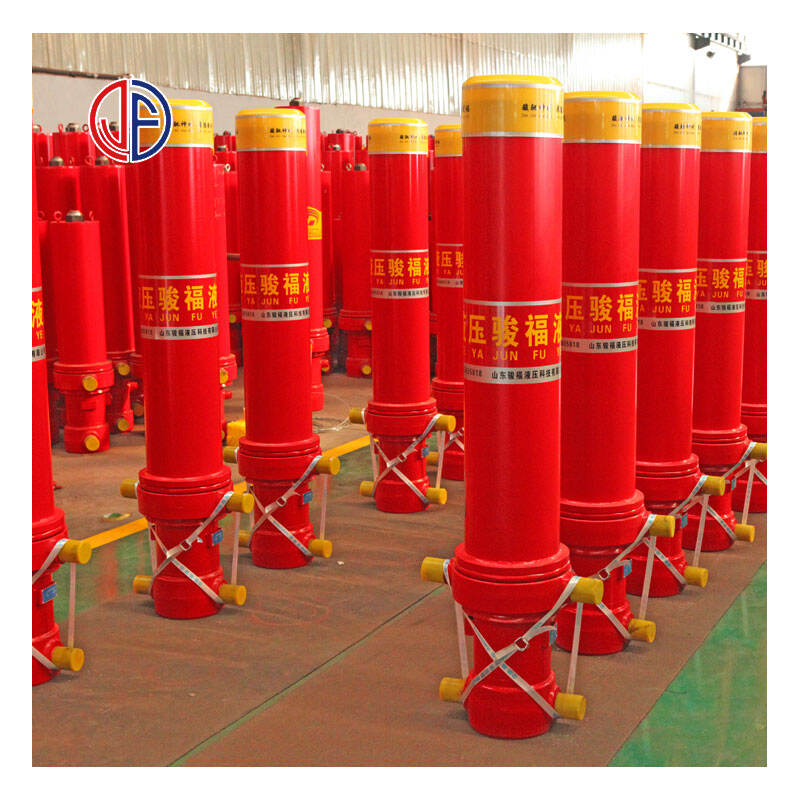
Rebuilding hydraulic cylinders may be a crucial step that will ensure better working machines for longer service. There are lots of uses for hydraulic cylinders, from forklift trucks to construction vehicles. When these parts wear down or break, it can spell big problems. Which is why it’s useful to know how to rebuild them. At Junfu Hydraulic, we are proud to make superior quality hydraulic components. Correct hydraulic cylinders rebuilding can save money and time, as well as keep machines in good working order. Here’s how to maintain these cylinders and achieve optimum performance from the rebuilt ones.
Best practices for maintaining hydraulic cylinders What are they?
Maintaining hydraulic cylindersFor the proper operation of machinery, maintaining a hydraulic cylinder is crucial. Regular checks are a must. First thing to do is look in the cylinder. Inspect for leaks or rust which may indicate damaged. It is also important to maintain a clean cylinder and never work with dirt in it (even the smallest piece causes wear). Seals and O-rings are also worth checking. These small components could be the difference between a cylinder that works properly and one that has leaks or fails. If parts need replacing, replace them with high-quality materials to avoid future problems. Keeping the fluid clean is another best practice. Dirty stuff can result in damage, so keep swapping it out. This is particularly important for the oil and hydraulic fluid employed in such systems. Here at Junfu Hydraulic, we would never advocate to run beyond the life expectancy as advised by the manufacturer. Tuning into your machine is key; if it starts making odd sounds, a little quick investigating can save you many headaches and potentially more extensive repairs. And when you do go out and fly after all that practice, remember to keep a log of everything including any maintenance performed and problems that may crop up. This not only allows you to monitor the health of the cylinder, it can also be useful for trouble-shooting if something isn't working properly. By following them, you can take care of your heavy duty hydraulic cylinder and keep the machines running too.
By following the techniques and guidelines on how to use a rebuilt hydraulic cylinder, ideally you can realize top performance.
With rebuilt hydraulic cylinders, the quest for top quality performance is a journey that must often be undertaken. First, you must ensure every single part is checked. Every part of it–the piston, rod, or seals must be inspected to see if it has worn out. Changing out any worn components extends the life of the entire unit. Assemble it that way too, with the right tools and techniques. Even a small misalignment can cause issues down the line. Investing time in fitment won’t only elongate function; it increases efficiency throughout the entire machine. Also, be sure to top off the cylinder with fresh hydraulic fluid after rebuilding. Dirty liquid can lead to numerous problems. From our years of experience at Junfu Hydraulic, you should pressure-cycled the rebuilt cylinders in a controlled environment and make sure there is no leakage and comparable performance. It helps spot small problems before returning the machinery to service. Post-testing, active maintenance is critical. Keep hydraulic fluid at proper levels, inspect for signs of trouble regularly to ensure long-term performance. The tiniest attention here pays off in spades. Make certain those who are running machines with rebuilt hydraulic cylinder system have plenty of training. Knowing what to listen for can be crucial. Finally, it is important to have an efficient communication channel for reporting issues. Everyone responsible should take the responsibility for keeping them in top condition and to have rebuilt hydraulic cylinders work better and last longer. This kind of machine is all well oiled.
What Hydraulic Cylinder Standards Do Wholesale Buyers Need to Know?
When sourcing hydraulic cylinders, it’s important to be familiar with the industry standards that ensure they are safe and reliable. Hydraulic cylinders, which use fluid to produce motion, are commonly found in machines like bulldozers and forklifts. A purchase of hydraulic cylinders of good quality requires knowledge about these critical standards. First out of the gate are regulatory-compliant cylinders to search. These standards help ensure the cylinders are safe for high pressure and have a long life span. It’s also nice to learn about what the cylinders are made of. Hydraulic cylinders are typically made of steel or aluminum. Steel is strong and can support heavy loads, while aluminum is lighter and easier to drag.
Another standard is the dimensions and measuring of cylinders. They are available in many sizes and forms to accommodate different machines. It is important to select the appropriate size for your equipment, so that it functions as intended. For instance, a cylinder that’s too small may not be able to lift heavy loads, whereas one that’s too large might not fit in the machine. That’s why wholesale buyers need to know their machines, and choose the appropriate cylinder.
Finally, don't forget about the performance levels of the hydraulic cylinders. The performance is how well a cylinder can lift and move, without leaking fluid. Always verify the quality of the tested cylinders. One good way to do this is by request for certificates or test results. For the likes of Junfu Hydraulic, they usually mention this detail as an act of making their buyers feel secure in the quality of what they are investing on. By knowing these standards, wholesale buyers are able to make better decisions and you can rest assured that there will be less down time in the future.
Cutting The Cost Of Rebuilding A Hydraulic Cylinder
It can be a costly proposition to rebuild hydraulic cylinders, but there are steps you can take to save money while making sure they work effectively. First, plan ahead. Knowing when your machinery is in need of maintenance can prevent sudden failures and down-time. This gives you time to budget for repairs, rather than being in a hurry. Another point to note is that it can be very helpful to have all the required tools and parts collected before you begin the dismantling process. Come with a list of what you need and rigorously adhere to it. Purchasing everything in one fell swoop can save time and money compared with a piecemeal approach to shopping.
One of the key ways in which to cut costs is to factor in reusing parts where you can. Some of the parts that make up a hydraulic cylinder are likely still useable, so you don’t have to replace everything. For instance, if the cylinder rod is not in compromised condition, you can clean and re-use it. This decreases the amount of new stuff you require. Also, don’t underestimate the power of good cleanliness. The parts will need to be cleaned very well, before you can start the rebuilding process. Dirt or grit is often the culprit, and that can lead to further repairs down the road.
If you are at all handy, then consider doing the work yourself. It may be you who does the labor. Just be sure you understand how the process works or follow guides, so as to avoid any mistakes. If you hesitate, Junfu Hydraulic also can offer the best advises or training videos. Finally, purchasing new parts in larger quantities can also result in part savings. If you know you will need multiple of them, it might make more sense to buy some in bulk. Through foresight and smarts with the parts, you can rebuild hydraulic cylinders without going broke.
Where to Get Professional Hydraulic Rebuilding Services?
Identifying the best expert service for rebuilding hydraulic cylinders can seem to be an intimidating task, however there are strategies that make it easier. Begin by inquiring among friends or co-workers who have had hydraulic work done at their homes. It stands to reason that if someone has a positive experience with a service, they’ll likely recommend it to you. You can also search internet for reviews of various hydraulic repair companies. A website with customer feedback can direct you to a service that has proved reliable and has had satisfied customers.
Manufacturers want to know, so that’s the second place to check. Companies like Junfu Hydraulic tend to have networks of trusted professionals with experience in rebuilding. They may also provide their own services, or could help connect you with a technician who is familiar with their products. There are car services that specialize in hydraulic systems, and these would be best suited for the job if you can find one.
When reaching out to a service, inquire about their experience and methods. A seasoned, professional technician will describe their process and guarantee their work. And feeling assured that the person who is repairing your hydraulic cylinders knows how to do their job is absolutely essential. Also, inquire about the timeline on the repairs. It’s useful to know how long it will take you so that you can plan your work accordingly.
Finally, be sure to inquire about costs. It’s important to get an estimate before work begins, so you know there will be no surprises. A quality service should be able to tell you, easily enough, what each component of the repair will cost. If you take the time to find a company that offers expert services, you will be able to rest easy knowing your hydraulic cylinders are rebuilt properly so they work as good as new once again.
Table of Contents
- Best practices for maintaining hydraulic cylinders What are they?
- By following the techniques and guidelines on how to use a rebuilt hydraulic cylinder, ideally you can realize top performance.
- What Hydraulic Cylinder Standards Do Wholesale Buyers Need to Know?
- Cutting The Cost Of Rebuilding A Hydraulic Cylinder
- Where to Get Professional Hydraulic Rebuilding Services?