
 EN
EN
Hydraulic cylinders are useful devices that make machines work. When they break, or just fail to work properly, it’s time to make them work. Repairing hydraulic cylinders can be a cost-saving alternative to replacing them and getting your machinery up and running. It’s not too hard if you know what to do yourself. At Junfu Hydraulic we want to give you the best information for understanding how to keep these vital components working properly.
What to Consider When Choosing Hydraulic Cylinders for the Best Performance?
When it comes to purchasing hydraulic cylinders, it is extremely important to choose wisely. First, check the size. When a cylinder is too small, it can’t do the work you’re asking it to perform. If it’s over-large, that container might no longer fit in your machine. When shopping, keep your eyes out for measurements like stroke length and diameter. Next, and let’s not forget the material. Hydraulic cylinders may be constructed of steel or aluminum. Steel is typically stronger, but it can also be heavier. Aluminum, meanwhile, can weigh less and be easier to maneuver. The sealing arrangement is also important. Seal it Good seals stop liquids from leaking, prolonging the life of the cylinders. Read reviews and ask other users. Only those who has used a product had a real experience from which to report. Unlike other suppliers, Junfu Hydraulic offers fast shipping on all types of long hydraulic cylinder that are part of our selection. Additionally, look for the warranty. A good warranty is a sign that the company believes in its product and will back you up with repairs if anything goes wrong. There are times buying the less expensive cylinder sounds like a good idea but in long run if it fails they can cost you more. So, go slow, ask questions and make sure what you’re buying is the actual thing you need.
Where to Source for the Best Hydraulic Cylinder Repair Kit?
Good repair kits are what it will take to get your hydraulic cylinders working as good as new. First things first, check local hardware stores as most of the time you can find what’s necessary. They tend to have an assortment of tools, gaskets and other things for repairs. If you can’t find it here, try online. There are many websites that sell good repair kits. Look for kits marked specifically for the type cylinder you are working on. When shopping at sites like Junfu Hydraulic, you can find detailed descriptions so that you might have just what you need. If buying online, review and ratings should be looked at. The experiences of other customers can help steer you toward the best products. Make sure the kits include all of the necessary parts. Some of these might come with the seals, o-rings or instruction booklets even, which could also be beneficial if you are still starting out in the hydraulic systems repair. If you’re not sure what kind you need, ask for some advice on general maintenance forums or social media groups specific to hydraulic repair. And fans and authority of occupation regularly give great advice. As with any tool collection, you don’t know what parts are the most crucial until you are in the middle of a repair. Recall that its always better to have an entire kit than try to finagle something using half-cocked substitutes. You want your repairs to be as fast and smooth as possible, and that’s why everything is included in your purchase.
What Are The Hydraulic Cylinder Most Common Problems And Solutions?
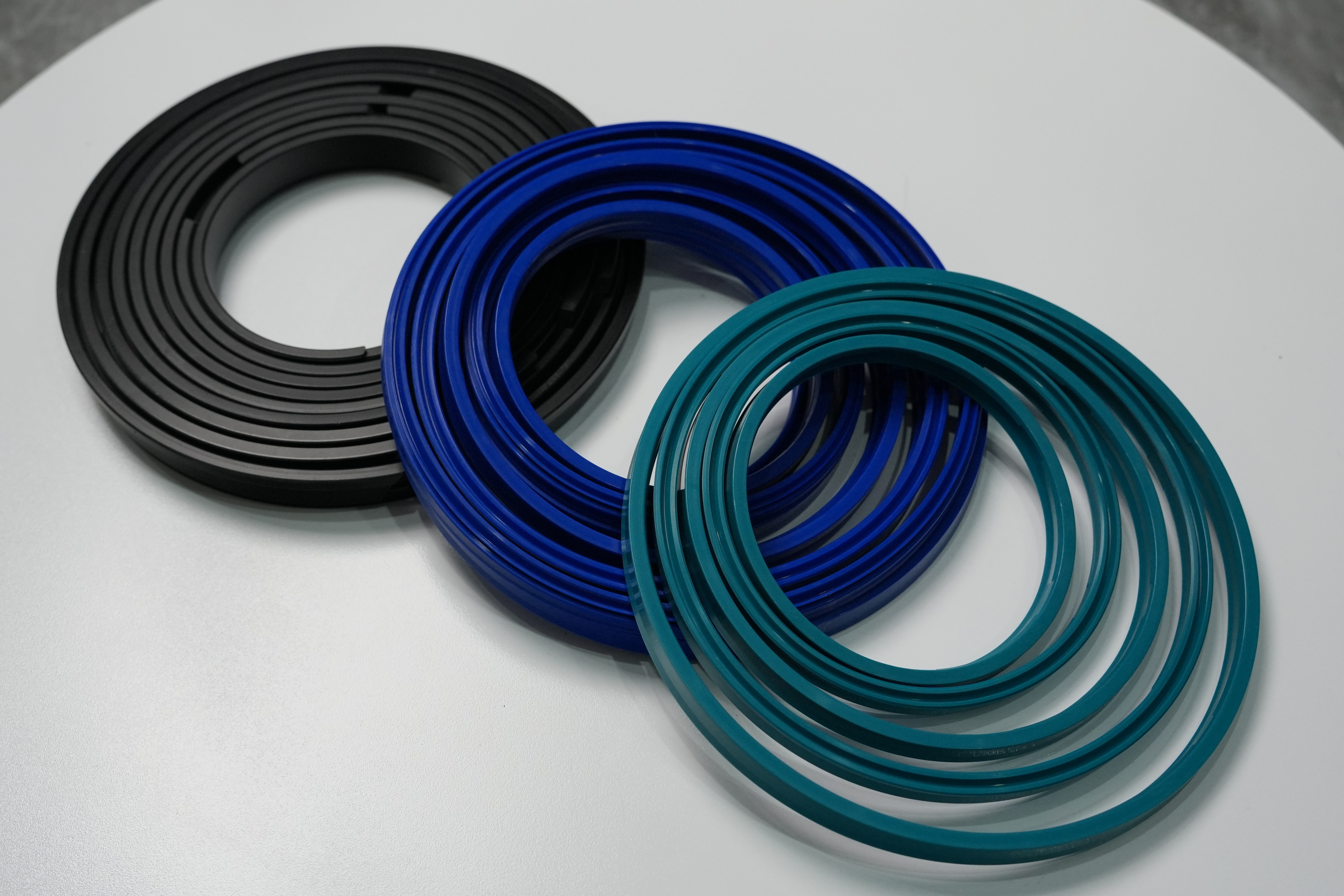
Dynamic hydraulic cylinders are the important elements in machines, which would help to lift and move heavy things. But like all machine parts, they can fail. Leakage is the most common among them. This occurs when the cylinder’s rubber seals get worn or torn. When that happens, fluid leaks out, weakening the machine. To correct this, you must inspect the seals. If you see a leak, the seals may need to be replaced. Fortunately, you don’t have to scrap the cylinder if you can get some good quality seals from Junfu Hydraulic.
Another issue you may encounter is a piston that won’t move. When dirt or debris enters the cylinder, this can occur. When that happens, the piston isn’t able to move like it should. You’ll want to clean the interior of the cylinder to fix this. You must first clean surfaces from the dirt using special tools. Be careful not to scratch the barrel. After cleaning reinstall the piston to see if it moves freely.
A hydraulic cylinder can fail to lift as much weight more often than not. This is likely caused by low hydraulic fluid. When you see that the cylinder is not working, look into the fluid level. If it is not, the tank should be filled with more hydraulic oil. always use the service specified hydraulic oil as suggest by junfu hydraulic. And use the wrong fluid at your peril! Finally, another very common problem would be strange noises such as grinding or banging. These sounds may be caused by worn parts that need to be replaced. Observe all of your moving parts to determine where the sound is originating. Addressing these issues promptly can prevent you from encountering larger problems down the road.
Best Taking from the Best
When it comes to repairing hydraulic cylinders, having the proper replacement parts is crucial. Quality matters at Junfu Hydraulic. You want parts that are durable, reliable and function. Exactly where do you go to buy such parts? One good starting point is online stores that focus on hydraulic parts. Here, you'll find sealants, pistons, and much more. Just be sure to check out reviews from other customers. That can help you determine if a store is selling high-quality parts.
Yet another thing you can do is pay a visit to any local hardware shop. Certain of these stores will stock hydraulic system parts or get them shipped to you. Chatting with the staff can also help, as they can recommend which spots are best suited for your needs. You only have to ensure that the parts are appropriate for your heavy duty hydraulic cylinder specifications though. For proper running, it is necessary to be precise during the replacement.
You can also seek help from other professionals or workers who have experience working on hydraulic cylinders. They may have leads on where to get the best parts, and they can advise what you need. Keep in mind, not all pieces are created equal. Certainly, there are some that cost less — but they may not be dependable. Wise to purchase good parts from Junfu Hydraulic that will maintain your machine running and operating perfectly. And, lastly ask about whether these parts have warranty or guarantee so you are not wasting your money on born faulty parts.
Solving Your Hydraulic Cylinder Failures Like A Pro
If your hydraulic cylinder isn’t functioning as it should, don't worry. With a little troubleshooting, you can fix the problem like a pro. First apply hydraulic pressure to see how the cylinder reacts. Is there a leak? Is it making strange noises? These signs are the first step to learning about the problem. Make notes if you can, which should assist when it comes time to fix it. Then see the level of hydraulic fluid. Sometimes the solution can be as easy as injecting fluid into the muscle. Please use the appropriate oil of which recommended by Junfu Hydraulic.
After confirming your fluid is full, catch it in the pan and inspect for damage. Inspect the seals and connections for leaks. If you are finding fluid on the ground or near the cylinder, that could indicate your seals need to be replaced. Use a wrench, swivel attachment, or other specialty tool to carefully tighten any loose connections. Make sure not to overtighten, which can further damage. Assuming everything appears to be good with the fluid and connections, then it’s time that you have a closer look at the internal components of your cylinder. If you are tempted to try and open the cylinder yourself and are not sure how, feel free to seek a professional.
Finally, if you still can’t resolve the problem, get a hold of Junfu Hydraulic. Our staff can offer you expert advice and assist with figuring out what to do next. Perhaps the issue is more than a quick fix. It may involve swapping out bigger components within the cylinder. In that case, leave it to the experts. Remember, by using proper observation and the appropriate tools, you can easily diagnose hydraulic cylinder failures and avoid costly down time.