
 EN
EN
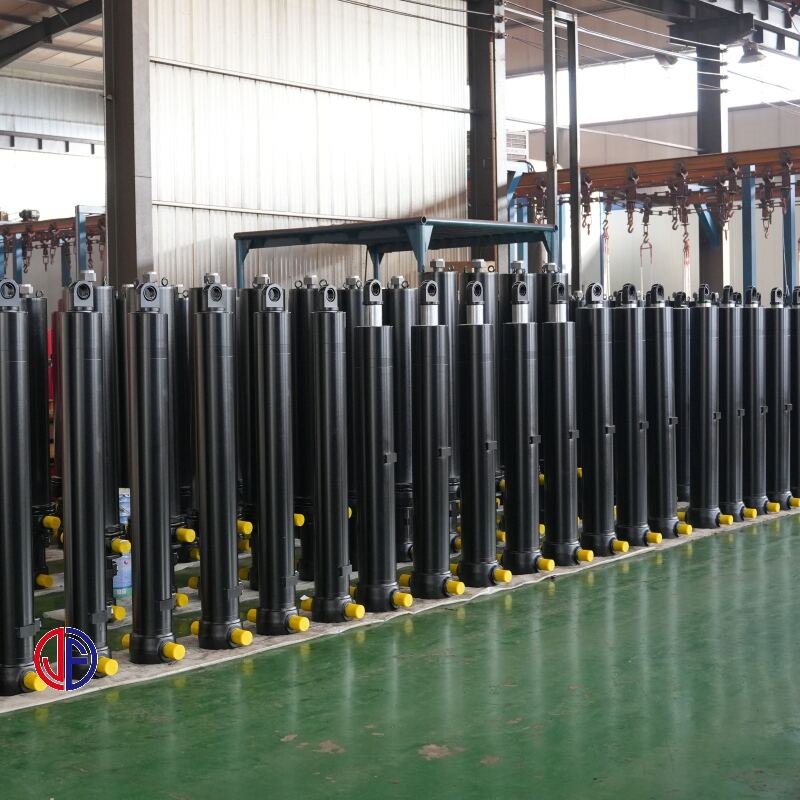
Hydraulic cylinder is an integral component that assists machines to function properly. They harness the power of fluids to produce pressure, which makes stuff move, like those hydraulic arms on a bulldozer or a jack lift. But occasionally, these cylinders can begin to leak. With that said, there is no time to waste if this begins to happen. A leak might mean trouble and wasted fluid. Repairing a leaky hydraulic cylinder can be beneficial not only to help prevent machine-downtime but also in saving money. If there is a leak, there are ways to seal it well and issues that may occur with hydraulic cylinders. We at Junfu Hydraulic know how crucial the uptime of your machines are
How to Properly Seal a Leaking Hydraulic Cylinder
When you have a hydraulic cylinder leaking, the best thing to do is find the leak and then address that problem Examine the seals, which are the things that should be preventing fluid from getting out of there. Occasionally, the seals can just wear down with use. If you see any cracks or damage, it’s time to swap in new ones. You can purchase new seals, or perhaps you can apply a sealant designed specifically for hydraulic systems. Be sure to clean the area around the leak before applying the sealant. This is key to get the seal to bond
After cleaning, carefully follow directions for the sealant or seals you have. If you’ve used sealant, make sure it is free from lumps and ensure that you let it dry as per the directions. If you are replacing seals, make sure they are the right size. You don’t want them to overreach or underperform. Also examine the surface of the cylinder; if it’s scratched or marred, you might want to give it a light sanding or polishing treatment in order to prevent future leakage. After reassembling everything, top off the hydraulic fluid and test for leaks. Always remember, safety is key! Always wear gloves and safety glasses when rebuilding hydraulic cylinders
Common Application Problems with Hydraulic Cylinders and Which to Address Them
Hydraulic cylinders are implemented in a variety of machines, and they can run into several common problems One big drawback is that if they are not used correctly, they can leak more often. This can occur when the pressure is excessive or the cylinder is going too fast. “If you have a hydraulic lift, and it’s lifting up heavy stuff too fast, that can cause leakage.” To prevent it, be sure to read the manual on your machine to know what is the proper way to use it
An additional concern migh tbe contamination within the hydraulic system by dirt or debris. If dirt gets in, it can harm seals and other materials that keep hydraulic fluid inside a system, causing leaks to develop. Good housekeeping in the hydraulic system will keep this from occurring. Regular inspections help, too. Make sure there’s no fraying. If you see anything weird, repair it before it becomes a larger issue. Here at Junfu Hydraulic we would advise you to look after your machinery with regular maintenance so you can catch these problems before they cause any serious damage. In this way, you can make your hydraulic cylinders serve and perform you are there to do the longest possible duration
If you ever run into trouble, and can’t seem to solve it yourself, seek help from the pros. Knowing when to ask for help can save time and frustration. And never forget, maintaining your hydraulics is about more than repairing a leak: it’s about keeping you operating at optimum capacity for years to come
When it comes to maintaining hydraulic cylinders properly, the maintenance is key. Prevention is the only way to put a stop to leaks and other issues. First, always make sure their hydraulic fluid levels are where they supposed to be. Too low of a level also can damage the cylinder. You also have to look for leaks around the cylinder. If you see fluid dripping — or even a puddle under your car — that’s bad news. Then, keep the cylinder clean on regular basis. Anything can build up and cause problems over time
Wipe it with a soft rag and inspect the cylinder for damage such as scratches or dings
If you notice any damage, it is best to fix it immediately. “It is also really important to maintain the seals in good condition. Seals there are what keep the hydraulic fluid in or force it out, so if they are worn, you may lose hardtop action. You can applied specialized lubricant designed for hydraulic cylinders. This prevents everything from moving too smoothly and it prevents the leaks. Also take note of the working pressure in your hydraulic system Too much pressure can cause the cylinder to burst. Always operate the cylinder within its rated capacity. Finally, watch the hydraulic fluid temperature closely. That’s because if they too hot, it can damage the seals and various other components. Adhering-to-these best practices will help to ensure that your hydraulic cylinders remain in top condition. Remember, babying your gear a little can help ensure water won’t make its way in — and that your equipment will last. Junfu Hydraulic here to support you any maintenance issue
If you are looking for a hydraulic cylinder repair kit, you can get them from so many outlets that would offer great prices. Begin by trying local hardware stores or auto parts stores. They frequently come with stripped-down repair kits that include seals, O-rings, and tools. Sometimes, they may even have components by Junfu Hydraulic. If these stores don’t have what you want, you may also want to check out the internet. If you need a large selection of hydraulic cylinder repair kits, there are websites such as Amazon and eBay. But do have a quick read of the reviews and check out the ratings. You want to make sure you are getting a good product that fits your cylinder And don’t overlook suppliers that have a specialty in hydraulic parts. They may have better alternatives and could offer expert advice. Other times, phoning up a local hydraulic repair shop is worth a shot. They usually know where to procure the best and cheapest repair kits. Another wise initiative is to check whether your workplace has a budget for maintenance supplies. If you’re ordering, order several kits at a time and see if they will give you a discount Another choice would be to converse with a hydraulic equipment community or forum. Readers frequently share tips and tricks on where to secure cheap parts or kits. With a little comparison shopping and some research you will find the best hydraulic cylinder repair kits for a price you can handle. Our repair kit is also at your attention to browse. Address: Room 617, Powerlong Plaza, No.218 Fengxiang Road Dongguan Guangdong ChinaPhone:+86769-89027609Cell: +86(0)18926865783 Fax:+86(0)76981039355E-mail [email protected] contact Junfu Hydraulic for all their contacts
There are many causes for hydraulic cylinder failure, which is why it’s important to understand the most common issues so you can solve them on-the-fly
A common problem, for example, is leaky seals. Seals are composed of rubber or other materials that can wear down or become damaged. When those seals fail, hydraulic fluid escapes the system, and pressure is lost. But the solution is easy and relatively cheap: Just check the seals for wear every so often, replacing any that feel brittle or are visibly worn. Fortunately, the seals can be changed out easily with repair kits from Junfu Hydraulic. Yet another issue is exterior corrosion on the cylinder. If left for long periods exposed to moisture, the cylinder can rust Remove it, and paint or coat the exposed metal if necessary. This will prevent the cylinder from rusting int eh future. Another common failure is cylinder warpage. Heavy loads or working outside the cylinder’s range can result in this. To avoid bending, be sure to use the cylinder appropriate for the size of concrete each time. If there is, you may need to replace the cylinder or hire a professional to make repairs. Finally, the cylinder can be damaged by contamination in the hydraulic fluid. The system may be damaged by dirt, water or foreign material. The fix is to change the hydraulic fluid regularly and also filter it clean. Keeping everything clean will ensure that your hydraulic cylinder operates as it should. Knowing about these common failures — and how to remedy them — could save you time, money (and grief). Junfu Hydraulic is always there to help you with good products and knowledge
Table of Contents
- How to Properly Seal a Leaking Hydraulic Cylinder
- Common Application Problems with Hydraulic Cylinders and Which to Address Them
- Wipe it with a soft rag and inspect the cylinder for damage such as scratches or dings
- There are many causes for hydraulic cylinder failure, which is why it’s important to understand the most common issues so you can solve them on-the-fly