
A hydraulic cylinder is usually used to power large machines. They help keep heavy machinery and planes working smoothly, in this guide, we will look at hydraulic cylinders & learn how they work, the need to handle them with care and how to choose the right one for your work. Let's get started!
You might be asking yourself, what in the world is a hydraulic cylinder if you are new to the entire machinery and industrial applications industry. In simple words, a hydraulic cylinder is an actuation device that helps to produce the required force for industrial processes. This is a long tube with the cylinder, piston, and hydraulic fluid housed inside. With the fluid pressurized, it pushes on the piston which moves in a straight line. This motion is then utilised in various types of machinery.
The principal behind how hydraulic cylinders work is by converting the energy generated from pressurized hydraulic fluid into force in a straight reciprocating motion. Pushing the piston linerally, when fluid is pumped into the cylinder. This movement could be utilised to lift, push or pull heavy objects. Hydraulic cylinders are applied across a wide swath of applications, from construction equipment such as cranes and loaders to industrial machinery such as presses and lifts.
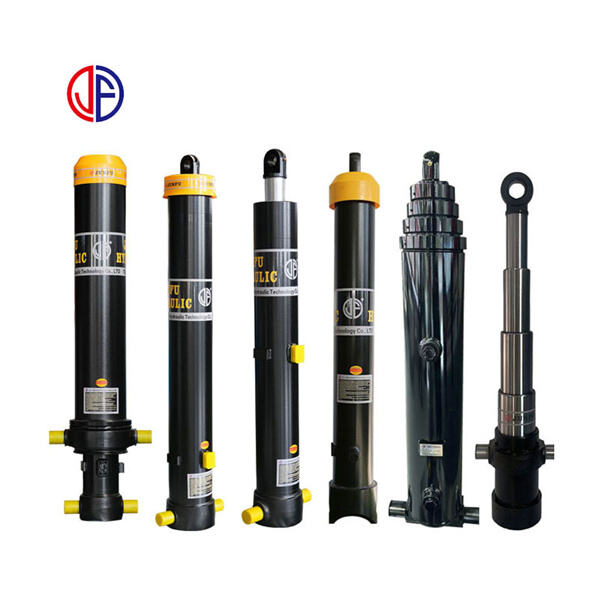
Hydraulic cylinders: The maintenance processes of hydraulic cylinders directly reflect the efficiency and productivity of the fluid power systems. It involves a scheduled inspection, cleaning and oiling to avoid wear and tear. -of course it's crucial to inspect the cylinder for any signs of a leak or damage that can alter its function and longevity Proper maintenance on your hydraulic cylinder will help to extend longevity and avoid costly repairs and/or replacements.
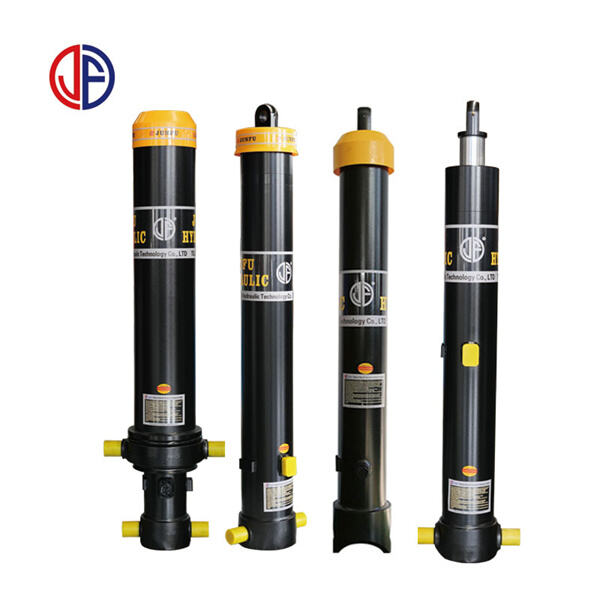
There are several things to consider when selecting a hydraulic cylinder for a specific job. Some of these conditions may be the maximum weight that the cylinder will have to lift or push, and other is the speed and force required, also its operating environment like temperature and humidity). You may also want to think about the kind of hydraulic fluid required and whether you need a cylinder that is bigger or comes with mounting options. Picking the cylinder that suits your application best, and you can all but guarantee its safety and efficiency.
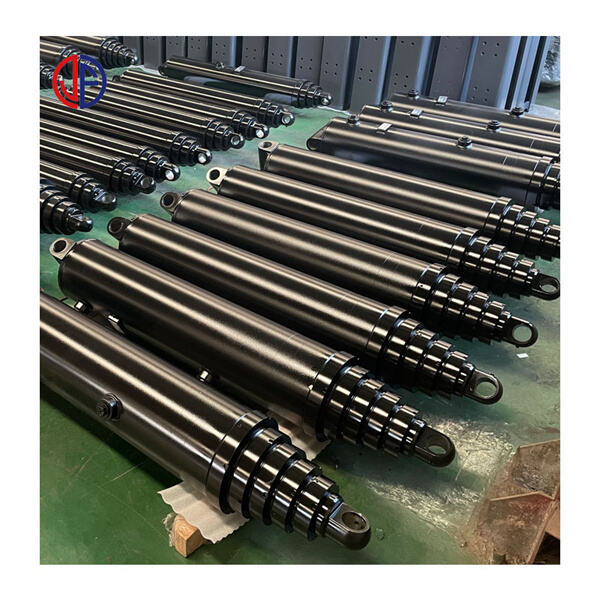
There are several advantages for using hydraulic cylinders in an industrial environment. They offer smooth, accurate motion control along with high force output, and are capable of operating in virtually any orientation. They are less prone to overheating than other types of actuators are, making them great for heavy-duty applications. Hydraulic cylinders are also sturdy and require low maintenance costs which entails a pragmatic application for the same in heavy machinery.
We mainly engaged in the research, sale and service of hydraulic parts like hydraulic cylinder, hydraulic oil tank, hydraulic system for dump truck.
1 kilometer south of the intersection of Huadu Avenue and Fengli Road in Qingzhou City, Shandong Province
Copyright © Shandong Junfu Hydraulic Technology Co.,Ltd All Rights Reserved | Privacy Policy
 EN
EN